GoatWorld.com

An early spring

An Early Spring

Spring is always a time I look forward to even more than those first crisp evenings of late summer hinting that autumn is just around the corner. And this year spring came a day early because of something having to do with the leap year adding an extra day. And just a little more leap year trivia while I’m on a roll: our every four year ‘leap year’ cycle always coincides with a presidential election occurring in the same year. Who knows? It might just come up as an answer on Jeopardy!

It actually feels more like spring than winter felt like winter, and many local meteorologists calling what we experienced, “sprinter”. Somehow the goats decided they were no longer goign to tough out kidding in early to mid winter, they’ve actually started getting more in touch with springtime.

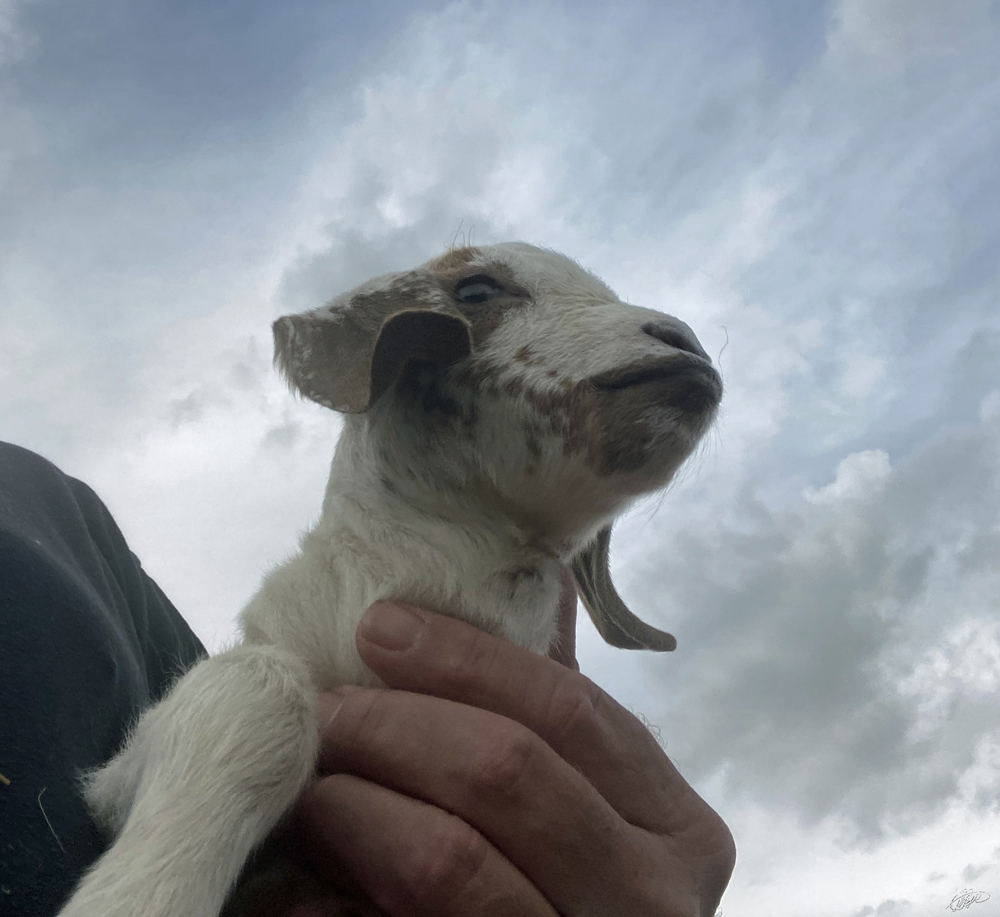
Throughout nearly the entire winter of 2023/2024, not one kidding occurred except for the little buckling on the right who was kidded March 18th making him officially a ‘winter kid’. And for the rest of the nannies now visibly showing they are pregnant, I don’t expect it’s going be to much longer before the goat pen is bustling with activity.

I have to say that I am a bit relieved the goats have chosen to kid later as they were prone to having their kids on the coldest nights in late December and a good part of January.
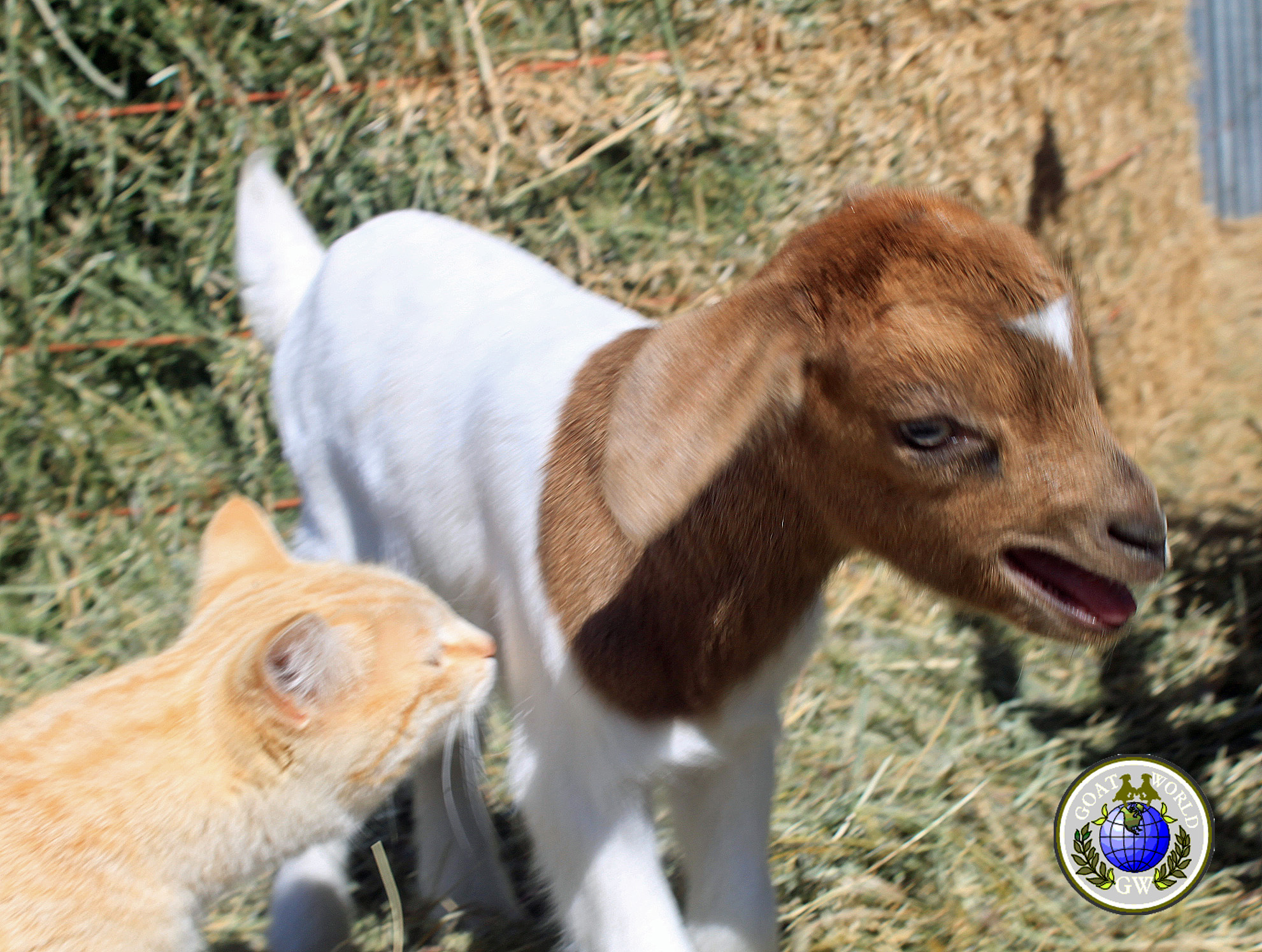
Stanislaus and his new found friend.

I am kind of guesstimating how many kids to expect this season, but realistically it is going to be around 15 with perhaps as many as 30. There are a few nannies in the herd that throw out an occasional triplet surprise. The nanny for the buck in the picture produced this single kidding after kidding twins last year. And more about the little buckling. He is the result of mixing a naturally polled percentage Boer billy with a Toggenburg nanny. With both breeds being larger framed, the mix should prove interesting.

We named this little buck Stanislaus kind of on a whim, I don’t know why but I was doing chores and out of fun started calling a rooster Stanislaus. As I moved on to the goat pens, that’s when I saw the kid on the ground. Because this little goaty was doing so well and already up and about, I didn’t take it in for immediate attention like is usually the case in the winter kiddings. When I announced to Pam that we had a new baby goaty, I think I said ” a little baby Stanislaus” and the name kind of stuck from there.
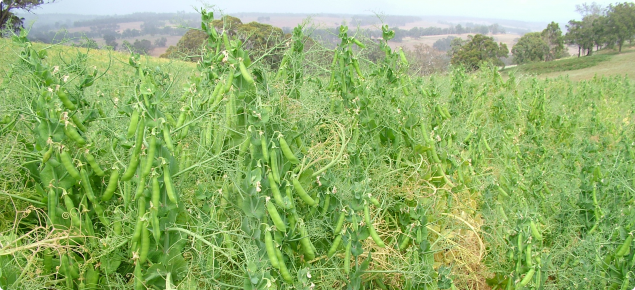
A high yielding Kaspa field pea crop in the Frankland Area of WA. (©2024 Ian Pritchard)

And now that it’s officially spring it’s officially time for planting! This year I’m trying something a little different by seeding in a large section of our garden with yellow field peas before planting anything else. In addition to peas fixing nitrogen in the soil, growing the peas should yield enough peas to also provide the goats an occasional treat as well as for our own personal consumption.

My garden planning for this season goes back a number of months and I had originally intended to create a test plot for just the peas alone, but I began thinking of the various companion plants for peas and have had some good success with multiple garden crops in the past. Beans, cucumbers, tomatoes, carrots, radishes and a few odd turnips should work out nicely for this year.

The other part of planning for this years garden is whether or not we are going to be plagued with another grasshopper infestation. It’s generally in March and April when I can tell if it’s a good year or not by kicking some old brush and weeds and checking for grasshopper nymphs. It doesn’t seem to be as bad this year, at least not yet. Lettuce pray!

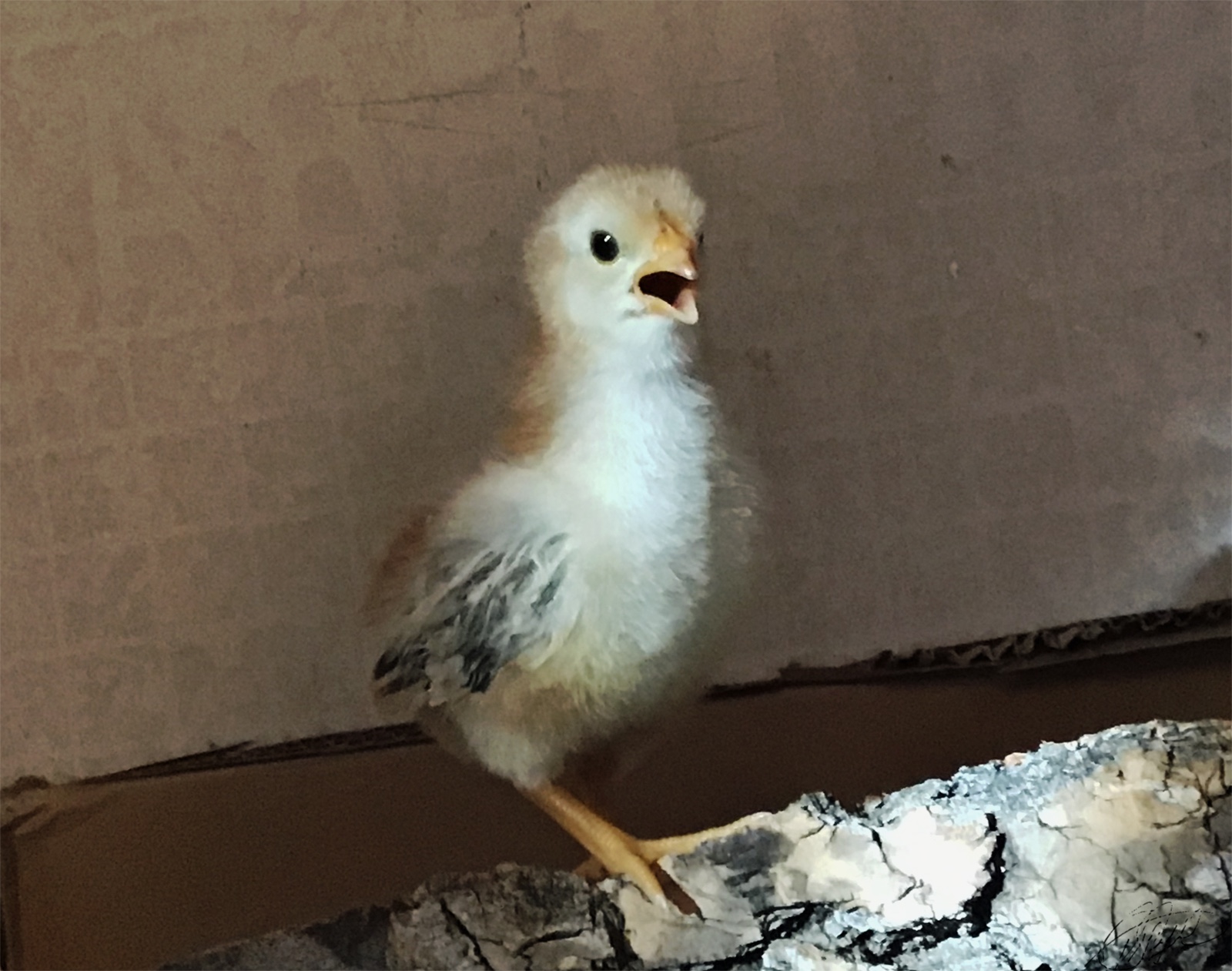
Also on the agenda for this spring is further working on our poultry project for egg layer and meat chickens. Almost all of our chickens went through a heavy molting period this year, but by mid February, egg production began stepping up. I began collecting some of thee eggs I hoped would be fertile and good candidates for incubation.Of the twelve eggs gathered, only one made it through the hatch, mostly due to getting a new incubator location set up and dialed in just right. One out of twelve isn’t good odds but it will get better!

And if you find yourself asking what chickens have to do with goats…keep in mind that I often let a few of my chickens roam the goat pens on a rotational basis where they scour the ground like the fine bug lovers they are. Goats and chickens seem to be very compatible and each creature knows their place. I think the goats actually welcome the company of a different species. This little chickee to the left is a hybrid cross between Rhode Island Red and a Red Star chicken which is a hybrid of itself. They sure do lay good eggs!.
"Oh What A Beautiful Morning!"
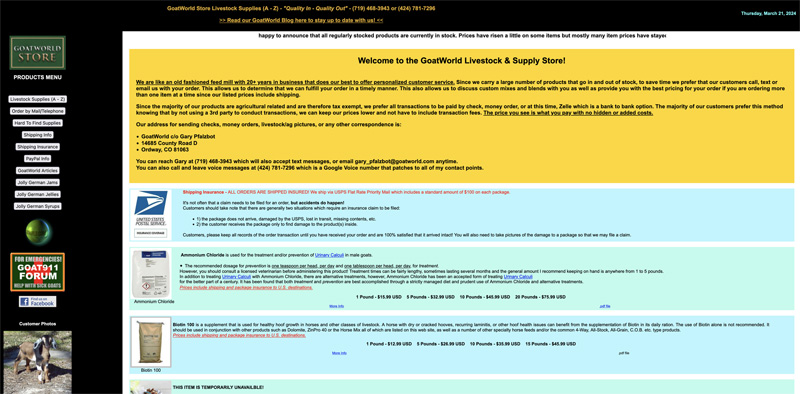
Current GoatWorld Store Front

Last but not least for this update is how we are progressing with our GoatWorld Store front. Many of you may have noticed that the GoatWorld Livestock & Supply Store is now the front page of the GoatWorld web site. I’ve gone over the format of the store several times and made changes based upon customer feedback to eliminate any possibility of confusion. The main concern many customers relate is that they are unsure how to pay or click a button that adds an item to a shopping cart.

As a small individual business, I try to let each customer and potential customer alike that “We are like an old fashioned feed mill with 20 years in the business that does our best to offered personalized customer service”. We feel strongly that where many businesses have largely ignored their practice of customer service, we strive to make good business by dealing with people on a more personable level.


At some point this spring we will be announcing our new additions to the store which are more oriented toward jewelry & fashion, as well as a few handmade items here and there. In creating this new section of our store, we are experimenting with a number of different formats for the best presentation possible. I’ve been rather reluctant to switch over completely to using WordPress or anything else completely, but considering I designed this site over 20 years ago, and a lot of the tools that weren’t available then are available now. So we’re very interested and anxious to see how the new look will be received by our web site visitors.

But until that time there’s plenty to do here on the ranch. Fences, gates, fixin’ this and that, and most of all, getting the garden well established. Until next time, enjoy the weather and happy goating!

Gary
So This Is Winter?

So This Is Winter?

It’s hard to believe that it is already winter and the year already feels like it’s off to a flying start with a race to the finish line! The only thing is that this is a much different winter than our more recent winters on the the high plains of Colorado. Last year around this time, we were struggling with temperatures making it into the teens during the daytime, and those nights were oh so cold with snow on the ground and things frozen solid with subzero overnight temperatures. Most of our goats had already kidded by this time but there were still a few early spring surprises.

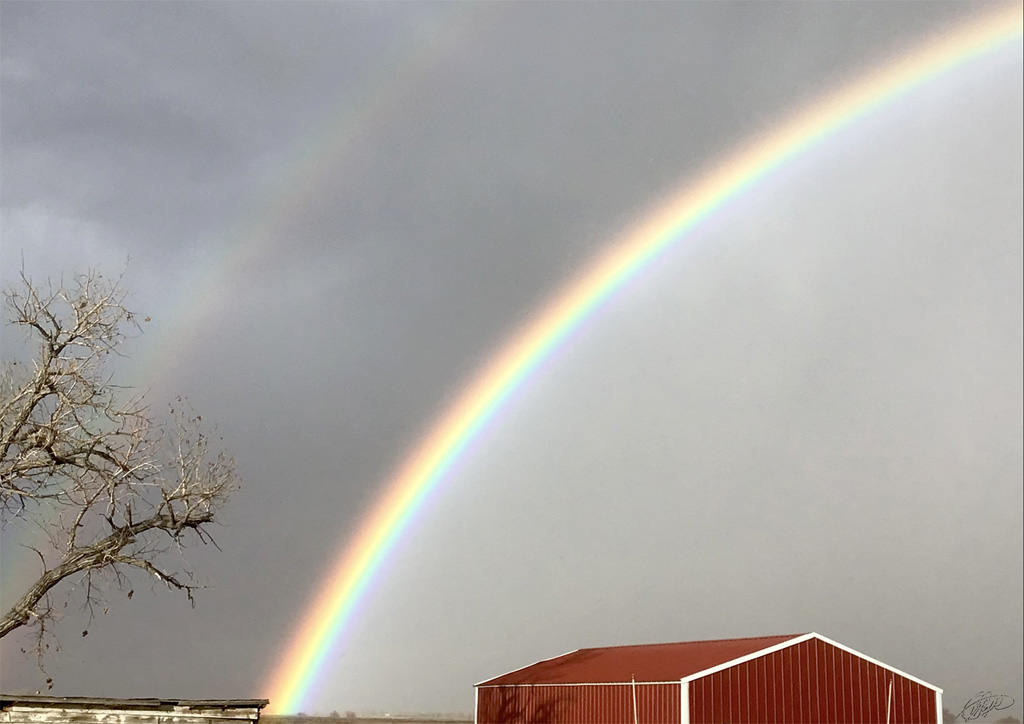
Rainbow in Winter
Rainbows In Winter?

But this year I am asking myself if this is really winter since we’ve had very little snow to date, and our daytime temperatures are more reminiscent of spring with highs in the 40’s, 50’s, and 60’s. And what’s even more perplexing is that none of our goats have kidded yet! At least they seem to be waiting for a bit warmer weather than years past which I am in many ways grateful for. Oh those frozen midnight pen checks and 5 gallon bucketfuls of warm water seem like a distant memory, But as goats often do, they seem to surprise you on the days and nights when the weather is at its worst.

So far this winter, with very little snow and actually a few rain showers instead, things have been relatively quiet. However, our weather can turn in an instant and over the years we have seen some brutal snow storms the closer we get to spring. I do prefer snow over rain for the reason that snow is actually more of a drought buster than rain which seems to quickly evaporate. And we definitely need the moisture. So I will be thankful for anything we receive moisture wise out of simple fear that we could return to a severe drought condition without it. So for now I am simply asking myself, “So this is winter?”.

So far I’ve been able to get some much needed work done on the GoatWorld site, and in particular, the GoatWorld Livestock & Supplies Store. In my last update I begrudgingly had to raise the prices of a few items simply because the prices on some products have increased. It also seems that the shortages of some products over the last couple of years have disappeared. I think a lot of the supply chain issues have been cleared up for many other things as well such as those items you find in the grocery store. Remembering that it wasn’t all that long ago that there was a long line of cargo ships waiting to port and unload. Let’s hope and pray we don’t have to deal with those issues again anytime soon!


In talking with many people across our great nation I am discovering that a lot of folks are worried about how the shortages we dealt with affected them, and how they are diversifying to become more self sufficient. While the majority of people I talk with raise goats, they are beginning to show more interest in other classes of livestock as well such as chickens. And I’m sure most of you will remember the chicken issues and what’s more, the price of eggs. A few chickens are always worth their weight in gold on a farm or ranch. A few chickens in the goat pen cleaning up has always been a bonus for us.

So perhaps it’s a good time for us all to reflect and plan accordingly for the coming months ahead, because we never know what’s around the corner, and self sufficiency just may be the key to surviving physically and financially. Developing plans for your garden and what you can plant now is planning for that uncertain future, I don’t often delve into this side of agriculture openly, but it is something I plan to develop and add to GoatWorld as we go along through this year. More importantly, developing and implementing a plan for everything on the farm or ranch to work in both unison and harmony is my personal goal for 2024.

Part of my personal plan is to grow some crops for not only my family, but my goats and other livestock as well. I’ve already got a good compost pile started with the soiled hay those little darlings waste. Learning to work with nature usually results in nature giving back to you.

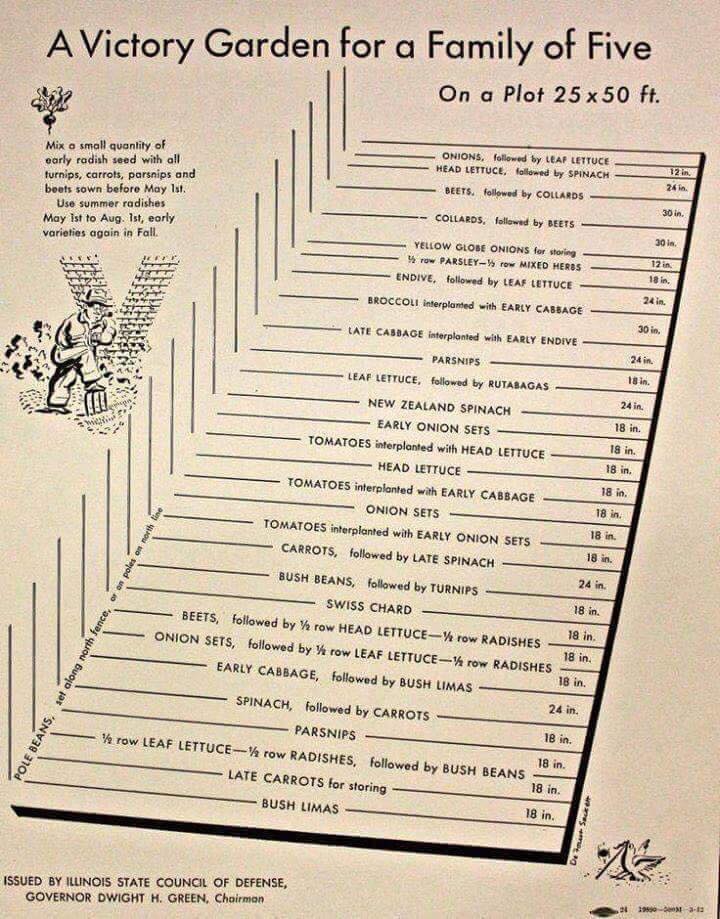
Victory Garden
Victory Garden

We’ll be breaking ground for a new greenhouse very soon, and we are looking forward to see just how well we can manage to make it work. Our greenhouse will largely be a DIY project from scratch since in our windy environment, the small kits and hoop houses with tarps just don’t make it through a prolonged windstorm. We’ve settled on a plan for starting small scale in the greenhouse while still working a conventional garden with plenty of goodies and treats planted for the goats. Pumpkins are definitely on the list for not only their pie making qualities, but for the benefits feeding them to the goats as well.

It’s getting late here and I hear the winds ramping up outside. I’ve just seen the latest weather forecast models and the trend looks favorable for some rain and snow towards the end of the week. This is likely a result of the Pineapple Express that California and the folks out west are experiencing. Rain is good but too much definitely can be detrimental when you are farming and ranching. Hopefully I given y’all a tidbit or two to think about on your on farms and ranches. Until next time, be safe and spend some quality time with your goats!

Gary

New Changes Coming to GoatWorld for 2024!

New Changes Coming to GoatWorld for 2024!


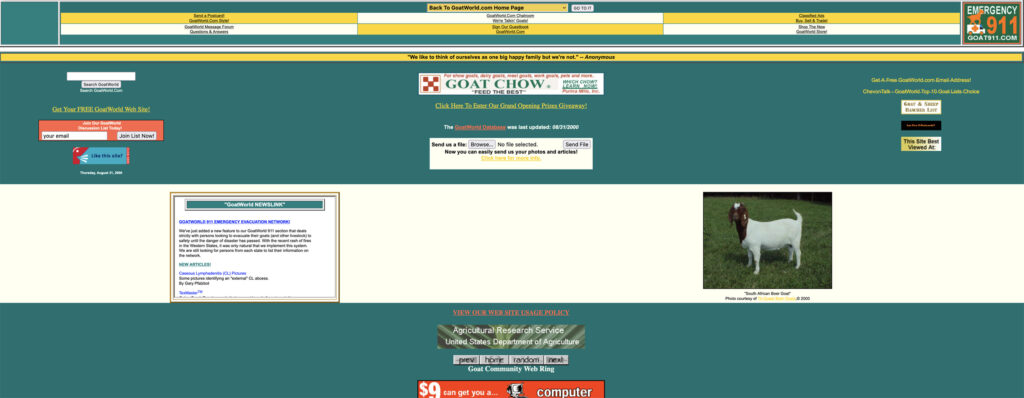
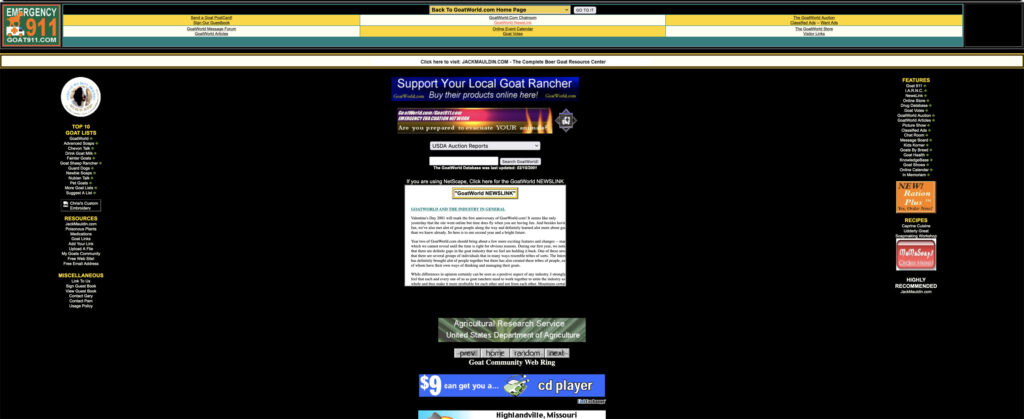
As one of the first goat related web sites online during the DOT.COM boom in the late 90’s, we originally started the site using the basic coding skills present at the time. Well now after almost 25 years, there are going to be some format changes to get things into the 21st century.

While we try each year to do some kind of updating or change the look of things, we begin to realize how much content there is nested into the site, and how difficult it is to try and do it all at once. So this time around we are starting from square one and are concentrated on a section by section approach.


“GoatWorld 2000 – So many changes since our first appearance on the web!”

We began GoatWorld with the concept of “Buy-Sell-Share-Learn-Teach-Care” and for the most part, the original concept will stay true. However, the focus will be more with the intent to provide essential livestock products through the GoatWorld Livestock Products Store which will occupy the front page of the site. We rely upon our weekly sales of various products, and infrequent advertising to fund the continued operation of the site. We’ve had some great advertisers over the years, but with so many social media sites now available since we started out in 1999, advertising has really taken a nose dive.


“GoatWorld 2001 – It was becoming sort of an online art project!”

Our advertising program will largely be discontinued except in certain circumstances where longterm advertising or sponsorship would be beneficial to both GoatWorld and the advertiser/sponsor. We turn down a lot of “guest posts and articles” for the mere fact that they 99% of the time have no relation to goats or even livestock in general. Which brings me to the next change on its way…

As the site name GoatWorld implies, our focus has been on just that: goats. However, the GoatWorld site is also akin to SheepWorld.com which points directly to GoatWorld itself. It may sound confusing but what this means is that we will ultimately expand our reach to sheep as well as other classes of livestock such as horses, llamas, poultry, and even a cow or two. Since the GoatWorld Livestock Products Store offers many products that are multi-species, it seems the logical choice.

For many years we offered a number of features like a chat room and a message forum but again, with the advent of social media, these type of features quickly became outdated and really are no longer useful to the scope of the site. They were primarily intended to offer a method of quick help for persons having health difficulties with the goats. For security reasons and with many social media sites monitoring every word you write, I’m reluctant to do away entirely with the chat room, but there are safer and secure methods that if a person needs the quick help I spoke of, they can just as easily call me (encouraged) rather than spending precious time writing to seek help.

Speaking of help, I know that many people over the years have found our GoatWorld Articles section to be very useful. This section will remain intact for the time being. There are quite a number of web sites that have directly linked or referenced these articles on GoatWorld, so changing their location on the server would also affect the cross linking. I will make edits, updates and various changes to these pages as I progress so they don’t return a page not found error for these other sites.

In closing I will mention that I’ve tried a number of strategies over the past two decades to keep GoatWorld relevant to the industry. My most recent attempt at providing fresh, daily goat related headlines and news articles became a very tedious effort and actually drove site visitation data down. At this time in our lives and from what I’ve observed with how people utilize the site, the GoatWorld Livestock Products Store is really going to be where we need to be focused for the long run.

Gary Pfalzbot, GoatWorld

(719) 368-3943 cell

(424) 781-7296 google voice

A Time Gone By

A Time Gone By

As I read through the various news articles to post on GoatWorld, I am often reminded of the many places I’ve lived in America as well as abroad in Europe during my time in the military. Some of these articles evoke memories of yesteryear and quite often amaze me as to how quickly the face and landscape of many towns has quickly changed.  It’s so easy to think back to a time and place and see how it affected me later in life.

Such is the case of a recent article I discovered: ‘Mostrosities in the farmland’: how giant warehouses transformed a California town.

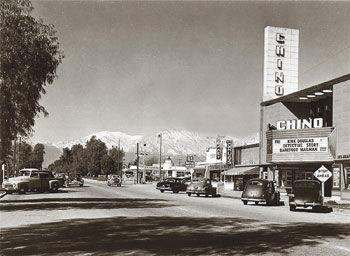
I was a young boy when I first became familiar with Ontario, CA. The year was around 1965 and my step-father who raised and trained race horses would often take us through Ontario on our way to another small town at the time, Beaumont, to pick cherries. What stood out the most at that time was the Ontario Airport,  where we would often stop to watch airplanes take off and land. It would be a year or two later when we would move to a small farmland house in Chino, adjacent to Ontario. While Ontario was known for its cattle and dairy farms, Chino was known as well for its own dairy operations. It was a great place to be a kid. Many afternoons you could find other kids and me in the area at a nearby dairy farm playing in the cow bogs. My parents would often ask, “have you boys been playing in the soupy doo doo again?” Yes, we were a fragrant bunch of little rascals. After getting cleaned up, my family would go to this picture theater to enjoy a family night out. I can distinctly remember seeing the movies, “Born Free”, “Topkapi”, and “It’s A Mad Mad Mad Mad World” there.

Chino, CA 1960's
Chino, CA 1960's
Rex Ellsworth Farm, Chino, CA

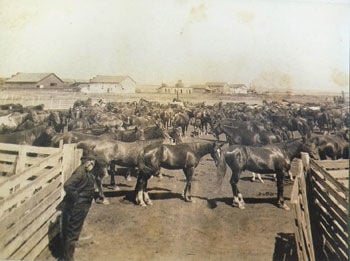
I also remember living in at least three different places in Chino, but perhaps most notable was on the Rex Ellsworth Horse Farm in Chino, as my dad had taken a job there as a trainer. I have many memories from that time, mostly that the entire surrounding area was primarily farmland and livestock. I am so thankful that I was raised in such a rural atmosphere, as I could have been raised less than 50  miles further west in the ever-expanding urban sprawl of Orange and Los Angeles County. In those days. it took about an hour plus to drive from Chino to Brea, CA, as there were no freeways yet constructed between the two areas. Those early journeys traveling either Carbon Canyon or Brea Canyon road were adventurous, to say the least. But even back then, you could see the advancement of the city life expanding all across Southern California. My parents often made me aware of the “rat race”. People from other states often now complain about Californians coming to their state and ruining it. It was probably us native Californians that complained about the out-of-staters first!

At some point we would move out of California entirely to continue the racehorse quest. I don’t know the exact details of why other than that we ended up living next in Lexington, Kentucky – eventually on Castleton Farms (there were horses of course). But that’s a story for another blog, as I am trying to stay more focused on the California region mentioned in the original article. At this point in reading, you might be asking yourself “but what about goats? Where do they fit into all of this?”

Well, as I recall my first encounter with goats was with a neighbor on the farm in Kentucky. A neighbor a pasture or two over had a few goats. I remember an older girl in the family sitting in their barn milking a couple of goats by hand and offering each of us a small glass of fresh goat milk. I also remember not being too fond of warm milk at the time, so my real goat adventures were still a couple of years away. A few short years later, my family found itself living back in California, not far from Chino or Ontario. This time we lived in a town which was known as Cucamonga – now known as Rancho Cucamonga.

Cucamonga (I’ve never been able to bring myself to calling it “Rancho”, sorry) is located just north of Ontario proper. The three years that we lived there were perhaps some of the most formulative years of my life prior to becoming a teenager. The area overall (the San Gabriel Valley) was still very rural in comparison to the areas not much further west. Again, the rat race of the urban sprawl was becoming more evident.

Our house was a small farm on a hill located between a goat farm and an egg farm, with citrus fruit and vineyards just about anywhere you went. Orange fights on the way to school each morning were a common event. Even though the area was considered rural by most, there was one issue that showed that the face of agriculture was changing. Instead of the green orchards I was used to seeing, smog was everywhere! The overwheleming presence of air pollution is perhaps why the citrus industry began to dwindle and citrus farmers eventually cashed out. Wine grapes and wineries still remain today, but mostly as attractions.

Early days of Cucamonga and Ontario citrus orchards
Early Cucamonga and Ontario citrus orchards

In the 1960’s, there were days on end where you could not see the San Gabriel Mountains, such as Mt. Baldy, due to extremely thick masses of smog from nearby steel mills in Fontana. The smog wars of the 1960’s had been in full force for years, and would eventually help to clean up the air in the area. But for the farmers that had relied upon the land for many years prior, it was already too late. Many of them had already moved to greener pastures and cleaner air, or had died on the land they had worked and loved. A little research reveals that many of the streets were named for them early on, which makes the idea even sadder for me to reflect upon. As for my family, after 3 years of dealing with burning eyes and lungs, we moved further north and out of the smoggy air entirely, to a town that time will likely never change…Independence, CA.

A trip through Ontario and the surrounding Inland Empire communities is now more a breath of fresh air than when we lived there. It’s a sobering reminder of how quickly progress can overtake a once bountiful landscape. The America you see now no longer resembles the America we grew up in. Was it a purposeful plan to turn the area into what it has become today, or was it the result of poor city planning? To put things in perspective life had been more affordable in comparison to the surrounding regions of Los Angeles. Many native Californian’s like myself think it probably was the latter. The Ontario Municipal Airport had been considered mostly a regional airport before the change. In 1946 it was renamed Ontario International Airport. It later became linked with the Los Angeles International Airport (1967).

Gary 1969 in 4H, Cucamonga, CA

At this point my blog has devolved into more about the environment than about goats.  So I feel I need to shift the focus back to them now. As the creator of GoatWorld, I am often asked how I first became involved with goats. It was there in Cucamonga where I had reached the age that I was prompted to begin caring for livestock and other farm animals. Raising chickens, specifically Blue Andalusians, White Leghorns, led to helping our next door neighbors on their modest dairy goat farm. I was soon encouraged to join 4H and learn more and more about goats, eventually showing and caring for my own goat. It was also my introduction to the fair life where I was allowed to show at the Los Angeles County Fair in Pomona. At that time, I’m pretty sure that the number of goats and other livestock in the region were greater than the human population. In a short span of perhaps 20 years, the entire area changed into a concrete jungle with probably no more than a handful of goats to be found.

I almost forgot to mention an exciting event that took place in the Ontario/Cucamonga area in 1968.  Ground was broken for the Ontario Motor Speedway  and racing commenced in 1970. I remember the day well, as I delivered newspapers for the neighborhood. Each paper was about as thick as a Los Angeles phone book and it took me well until after dark to get them all delivered. And if raising goats didn’t get you excited, the sound of cars racing surely would have! There were a lot of us kids who decided that Indy, err, Ontario car racing was what we were going to grow up and do!  We could hear them from our farm on the hill and everyone seemed to be real excited about this attraction being right there in the area. And why not? We were now on par with the Indy 500 and California was growing by leaps and bounds. But it would only last ten years until its closure in 1980. It’s mostly business and retail stores now.

Ontario Motor Speedway 1970

To close out my blog, I just have to say that it was a great area to grow up in during that time, and I often find myself thinking back to the many memories we made there. But this isn’t the only area where the concrete jungle has replaced once thriving agricultural communities. All across America, the older generations often return to visit their childhood neighborhoods. They begin to see how much change has really taken place. In some instances, early childhood homes and farmsteads have been completely covered over. History of a time gone by erased entirely. What are your stories? Has this happened to you?

Until next time, happy goating!

Gary Pfalzbot

Summer Into Fall

Summer Into Fall

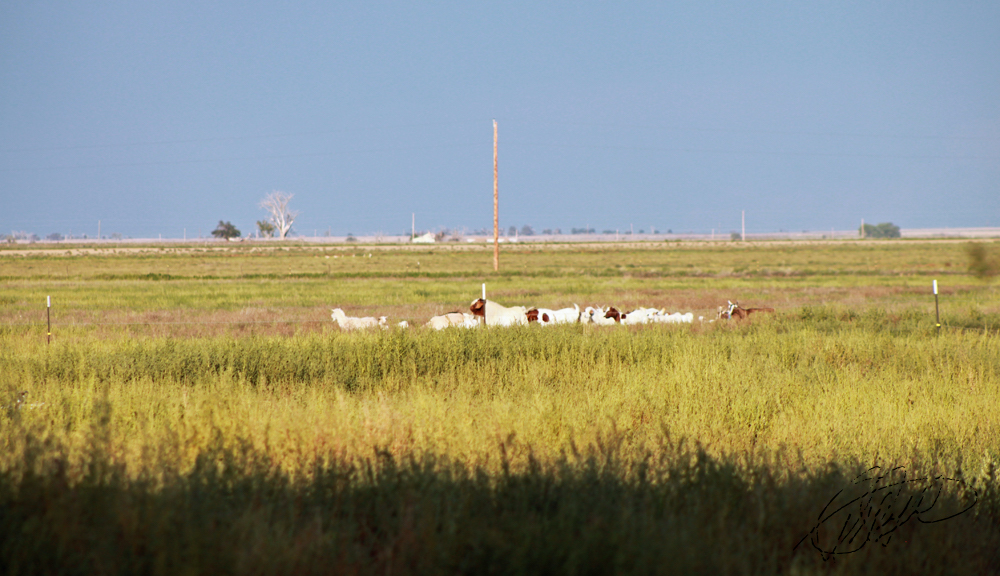
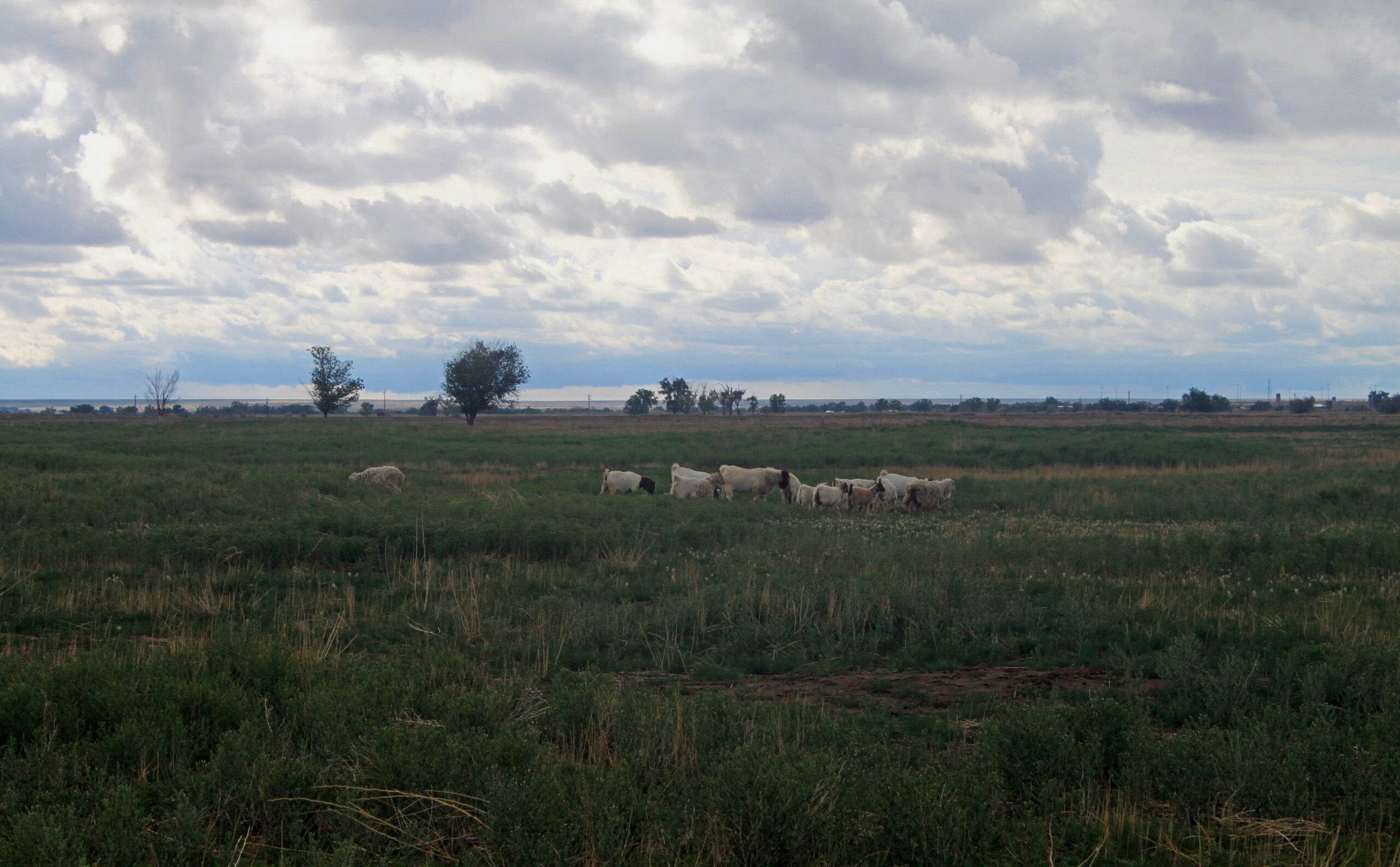
It’s not quite fall yet here in the northern hemisphere, but technically the meteorological Fall begins on September 1st each year. This year I can definitely feel the differences in the morning and evening temperatures as the seasons change. Mother Nature was actually very kind to our SE Colorado location this summer. We had several generous rainfalls and very little in the way of the destructive blowing dirt that we’ve experienced the past several years. This unusually ample moisture we’ve received throughout the last few months has brought us a great amount of pasture weeds and grass for which we and the goats are definitely grateful!

Goats on pasture - SE Colorado

Quite a bit has gone on during these past few months both geopolitically and in the goat world in general. I observed with some surprise that during the spring and summer months, as fuel prices rose dramatically, goat prices in general also rose as well. For now market prices have dropped somewhat and prices seem to have stabilized. But I feel pretty confident that the demand for goats of any type is going to remain steady for many months to come.  As summer draws to a close, I see where many meat producers are already factoring in their production forecasts for the winter and early 2023 market goats.

Tee Shirt Logo
Tee Shirt Logo

With the growing demand for weed mitigation across the nation (and around the world), goats of any type seem to be a good investment and valuable commodity for those who are able to have at least a few “browsers” in their portfolio.

On the GoatWorld web site side of things, we had a lot of big plans to accomplish for this year yet there is still time to go for getting a number of these improvements and updates checked off that list. Some of you may notice that I resumed posting goat news and related headlines on a nearly daily basis. Some days are tougher than others simply because the word “goat” has become largely associated with sports figures. Trying to determine which news stories that pertain to actual goats and not people is a challenge. And then of course, there are those celebrities who are considered G.O.A.T.s in their own right, who also happen to own a goat or two…lol.

On a different note, we often receive requests from people who would like to write guest posts and blog share. I have had to turn down the majority of these requests for not being goat or ag-related. While I would love to host some guest authors, the majority of the requests thus far seem to be coming from a growing number of freelance writers who would simply like to capitalize on our well-earned high traffic in order to promote their own wares and services rather than to help enhance the GoatWorld community. It’s been my ongoing commitment to our GoatWorld community to keep it as free of non-related content as possible, so that we don’t appear to be overly pro this or that, especially in the midst of this ever-changing social climate which can be quite hostile for no good reason. Things are tough enough without subjecting our members to unnecessary struggles over non-goat-related things when all they really want is a peaceful environment in which to learn how to take proper care of their animals. So yes we definitely need more content contributors, but it needs to be the right content for us and our members!

That being said, I have entertained the notion for quite some time not to promote GoatWorld as vigorously or perhaps eventually not at all, on social media as I once did, if things on those sites don’t start to improve. The simple fact is that GoatWorld was around long before many social media sites and had to meet many challenges in that wild Internet frontier just to get where we are today. I’m finding that the work it takes to deal with the hostility and constantly moving goal posts on social media sites is taking away time and energy I could have been pouring into GoatWorld itself. I was excited at first to embrace the new technology, but am finding the constant changing of the rules and imposition of unfair and unnecessary (IMHO) restrictions on content on their sites is taking away from providing our site members more content of the kind I had envisioned for our website and our growing community. I want to spend more time promoting our main GoatWorld site rather than walking on eggshells on the social media sites and putting up with the drama that their administrators allow and often create on purpose to meet their political and financial desires. Many of these social media sites have also become extremely restrictive in their policies and while I can understand why, it doesn’t mean that I should follow suit with my own web site policies and change or restrict the content I include or allow on GoatWorld.com.

We do offer opportunities for people to advertise and sell their goats here on our site, which many social media sites do not. Because of this, we have seen quite a bit more interest in advertising on our site with regard to the sale of goat-related services, sales or products. This is one area that we hope to have fully developed and operational very soon! If this sounds like a need or desire your situation could benefit from and you have a goat or agriculture related product, ranch, farm or homestead or service to promote that could benefit our community, please get in touch with us and see what we can do for you. We don’t advertise our site, services or products in the manner that seems commonplace nowadays aka repetitive commercials; we rely upon our name, reputation and word of mouth from our customers. Ours is a name you can trust and lots we still want to do to keep making GoatWorld better than ever. Similarly, if you have experience you would like to contribute in the way of time and energy by writing articles, being a moderator in our Chat Rooms or becoming a Capri-Medic for Goat911.com, chances are we can use your help. Just let us know and we’ll look at all offers to advertise or help out our community. Worst case we can say “Sorry, not a good fit for us.” Or, best case…we can welcome you with open arms in the hope that you will become a valuable contributor in some way to our mission of education and building camaraderie with goat owners, breeders and entrepreneurs around the world. Give us a call – who knows what the future holds?

Buff the Goat
Buff the Goat

All these social changes, worries and drama we see in the headlines every day can be quite stressful.. So another area we are going to be growing on our site is that of homesteading and survival education. There are lots of people doing that kind of thing on Youtube and other places. I’m not sure we have the time or energy for all that, but we have been gathering a great deal of what we feel will be tremendously helpful information and links to help our members solve many of their individual homesteading and goat raising challenges. We have been finding a ton of shareable, relevant tips and info in the areas of Gardening, DIY’s and saving money during these tough times. By stepping away from the daily chaos of Social Media and Internet and coding for awhile, we have been able to learn to relax and work more on our own property and animals instead of fretting about things we can’t control. As the temperatures have begun to change, we’ve had quite a bit to do outside as I am sure many of you do as well. Getting ready for winter is always on minds, especially as the the nighttime temperatures get closer to freezing. Getting in plenty of straw gathered for winter bedding, making sure enclosures and pens are secure and well as obtaining enough hay and grain to make it through to Spring are just a few things I know are important right now while there is still time to get it done.

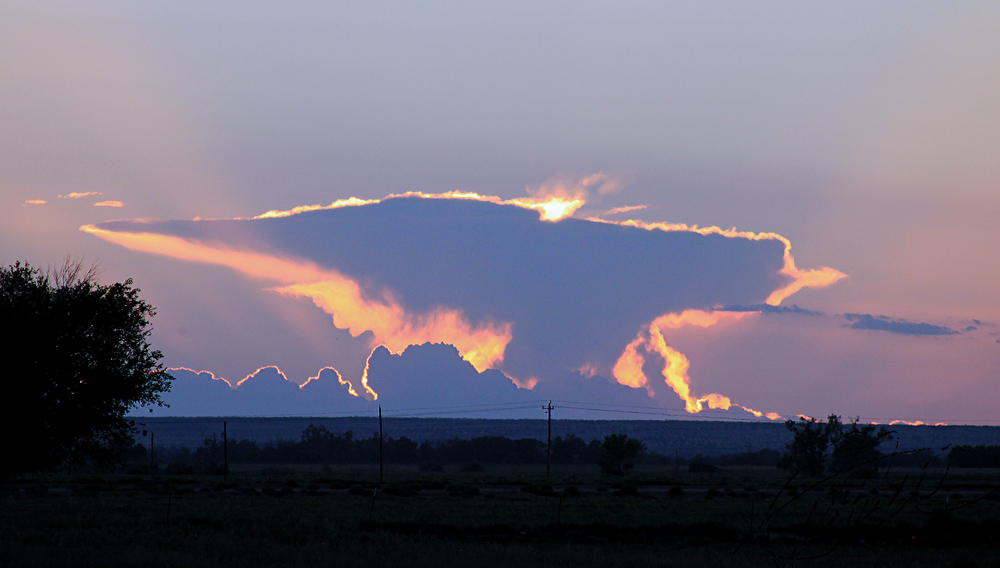
SE Colorado summer sky at sunset

Of course for those that breed for Winter Kiddings, there is a whole slew of preparations to make as well. Personally, it seems to me our goats choose the coldest winter day or night to bring their new kids into the world. In the past it has been commonplace here to have a couple if not several, Dollar Store plastic tubs ready for those kids who would freeze otherwise. Rather than risk the use of heat lamps, we prefer bringing the less thrifty kids in right away and bottle feeding, before turning them out. As some of you know, goats can take some pretty cold temperatures. But they need to be strong and healthy to begin with before being able to survive those cold temperatures.

In the coming months, I will try to focus on “Preparing for Winter” in general and “Preparing for Winter Kiddings” in particular. As always, I will provide various articles and links on our main site. I encourage you, especially if you are a member of our Facebook group to start using our Goatworld Article Library more often and share links to it with new goat owners you may meet, whether online or offline. If there are any specific topics that you would like me to address, please feel free to contact me and let me know. This especially applies to “newbies”, aka first time goat owners. I tell anyone raising goats, “Don’t be scared of winter. Be prepared for winter!” In my experience I’ve sadly lost more goats in the extreme heat of summer than the extreme cold of winter. And over the years these losses have become less and less just because I had gained more experience, listened more closely to my wife, and been far more prepared beforehand rather than waiting til’ the snow falls or the temperatures drop at the last minute. When you are more prepared, you have more time to enjoy those you put in the hard work to take care of.

Til’ next time, may your pastures be green and your goats happy and healthy!

Gary & Pamela Pfalzbot

Spring Rains Bring Greener Pastures!

Spring Rains Bring Greener Pastures!

Welcome to the new GoatWorld blog format! This is the first post I am attempting using WordPress so it should be interesting. lol

There has been a lot of strange weather around the world for quite some time now, and Southeast Colorado is no exception. There have already been wildfires and higher than normal seasonal temperatures around the region. There has also already been cooler temperatures with ample amounts of snow proceeding the warmer temps. Doesn’t look like Mother Nature has been quite able to make up her mind.

Here in Southeast Colorado, we are always 2 weeks away from a drought but thankfully, we received some very beneficial moisture in the later part of May which has the goats out and about, enjoying the lush pasture weeds that seemed to emerge almost overnight.

Goats on pasture in SE Colorado

With more pasture grass and weeds to work with comes the need for more goats. And given the current state of the economy (a discussion for later), comes the need for milk goats just in case the supply of milk becomes scarce.

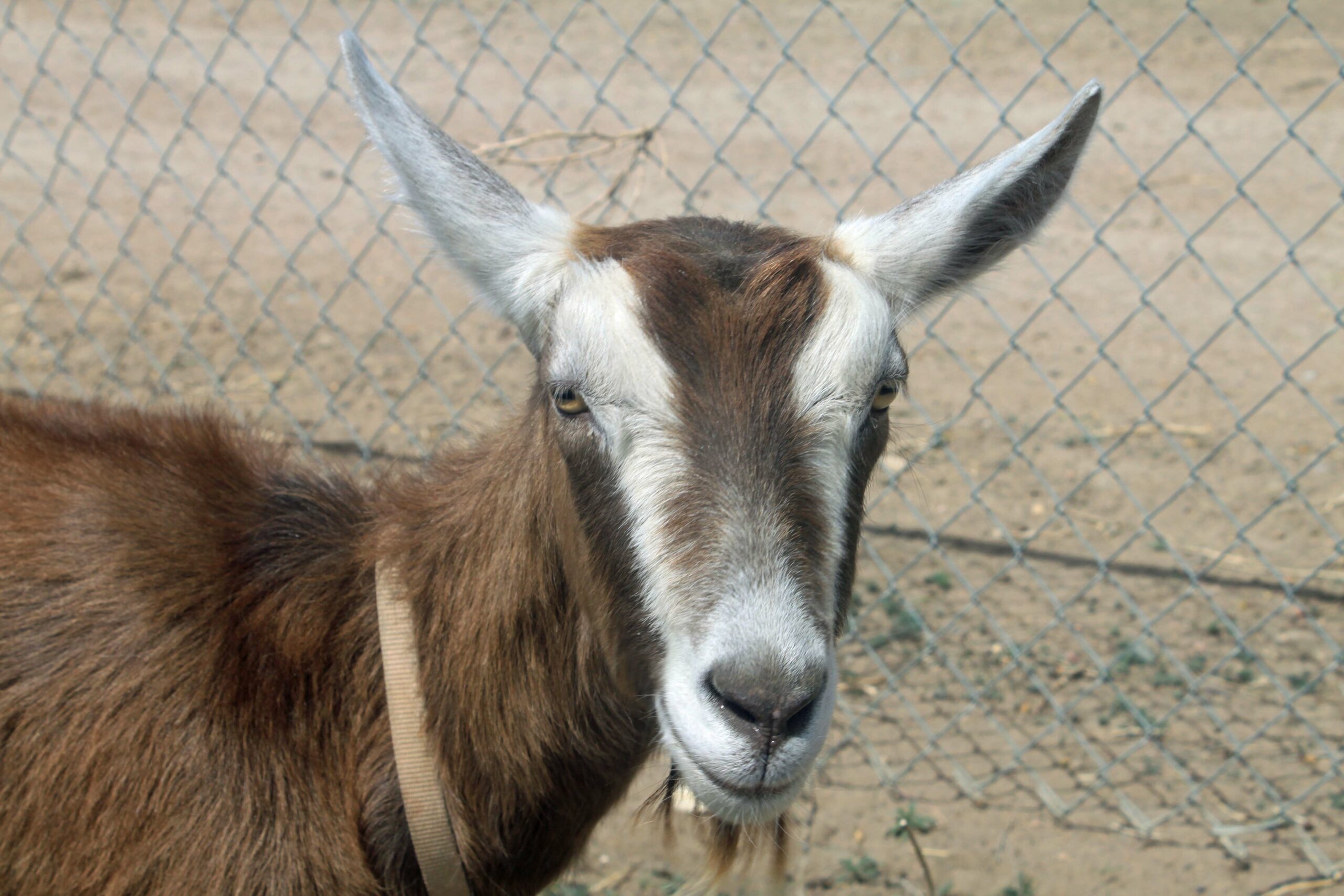
We took the plunge and bought a goat or four to bolster our dairy production. One specific Toggenburg named Mali that I am milking daily has turned out to be quite a good goat after working with her for a little while. She now looks forward to our milking sessions and leads me to the milking stand rather than the other way around. We’ll soon have enough fresh milk ready for making such delicacies as cheese and ice cream, to possibly even soap and bath bombs. Of course it’s hard to overlook daily consumption such as cream in your coffee.

"Mali" of the Valley

Of course once we decided to get back into dairy goats to some extent, I suddenly remembered that I had given away a milk stand that I had fabricated some 20 years ago out of wood. It wasn’t in the best of shape but had served its purpose well for a number of years. So I immediately knew that building a new milking stand would be a first priority and I began thinking of ideas how to build something new, leaning on my experience from before, and from various ideas across the Internet.

One thing you learn when milking (or the attempt thereof), is that the older you get, the harder it is to bend down and get back up. I kept thinking of the wrestling match and goat rodeos of yesteryear and knew that this new stand was going to be quite a bit different, and much easier on myself and th goat as well.  This new stand will be mostly made of metal, making cleaning a lot easier. I will go more in depth with the new milk stand hopefully in the next blog when I have it more completed.


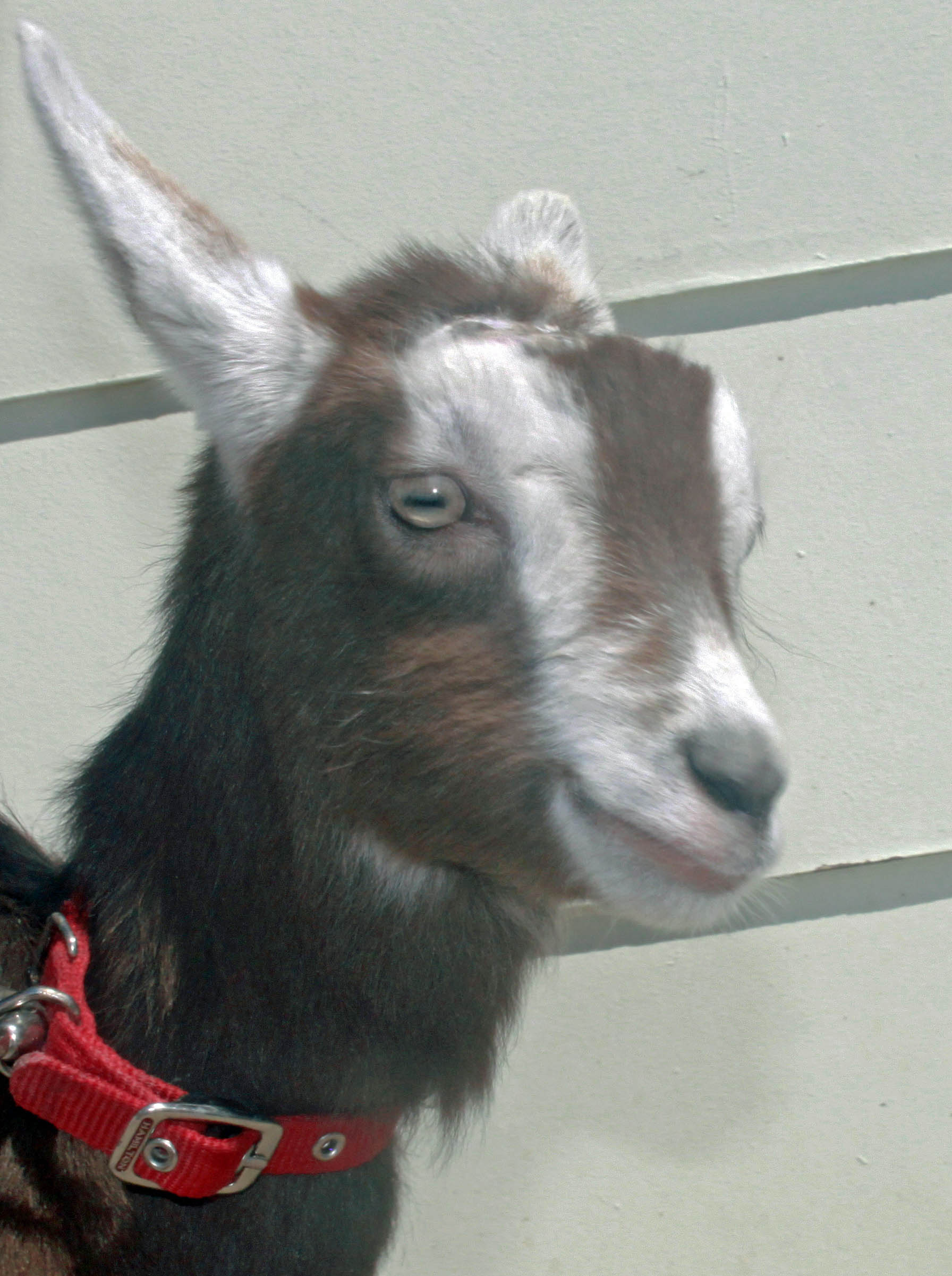
While it took a little while for Mali to get used to working with me, her daughter Precious is a clean slate and young enough to learn from the beginning. It will be quite awhile until she climbs on to the milk stand, but I work with her a little bit everyday so that it will be a very easy transition.

Soon it will be time to find a quality Toggenburg buck for the next round of kids for Mali. As is good practice in our opinion, we’ll wait until Precious is over a year old to expose her to a buck.

The second Toggenburg we bought I named May (since we acquired her during May) came with her own little buckling who is still nursing. I’m not sure of the story behind him as far as May’s prior breeding. He look to be more of a chocolate colored Toggenburg, but in many situations you just don’t know the history and don’t want to take the chance of too much dairy crossings and interbreeding. He may become more of a future sire candidate for some of our Cashmere does. That might be an interesting cross.

"Precious" (Mali's daughter)

In wrapping up this blog edition, please stay tuned as we continue to integrate the old school aspects of our site with some of the newer features that editors such as WordPress offer. We have a lot planned for GoatWorld so this is really just the beginning – again – of continuing to build a great community that has been a well-respected Internet resource for over two decades.

Please feel free to leave your comments and suggestions below. We’d love to hear from you.

Stay calm and goat on, Gary